 Personal style isn’t something you’re born with—it’s something you develop over time. While many men feel overwhelmed by the vast world of fashion, creating your own distinctive style is both achievable and rewarding. Finding what truly works for you isn’t just about following trends or rules; it’s about discovering a way of dressing that authentically represents who you are.
Understanding What Personal Style Really Means
Personal style goes beyond simply wearing clothes that fit well. It’s a visual representation of your personality, values, and identity. Think of your clothing choices as a language—they communicate something about you before you even speak. A well-developed personal style helps you feel more confident and leaves a memorable impression.
The most stylish men aren’t necessarily those who spend the most money on clothes. Rather, they’re the ones who understand what works for their body type, lifestyle, and personality, and who dress intentionally rather than haphazardly.
Start With Self-Discovery
Before diving into fashion magazines or shopping sprees, take time for self-reflection. Ask yourself these questions:
- What kind of impression do I want to make? Professional, creative, rugged, sophisticated?
- Which clothing items do I feel most comfortable and confident in?
- What aspects of my personality would I like my style to reflect?
- Who are my style icons, and what do I admire about their look?
Your answers will provide valuable insights into the foundation of your personal style. This isn’t about copying someone else’s look, but about identifying elements that resonate with you.
Build a Visual Vocabulary
Developing personal style requires visual inspiration. Create a collection of looks that appeal to you, whether through digital platforms like Pinterest or Instagram, or by saving images from magazines and websites.
Look for patterns in what attracts you. Do you consistently save images featuring classic tailoring, workwear-inspired pieces, or minimalist outfits? These patterns will help you identify your style preferences.
Consider creating a dedicated folder on your phone or a physical mood board to organize your inspirations. This visual reference will be invaluable when shopping or putting together outfits.
Master the Fundamentals
Every strong personal style is built on understanding the basics of men’s fashion:
1. Focus on Fit
The fit of your clothes is arguably the most important aspect of style. Even expensive designer pieces will look sloppy if they don’t fit properly. Learn what silhouettes complement your body type—whether you’re tall and lean, broad-shouldered, or carrying extra weight around the middle.
Consider investing in tailoring for key pieces. A $30 shirt that’s perfectly altered to your body will always look better than an ill-fitting $300 one.
2. Understand Color
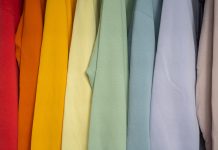
Colors that complement your skin tone, hair, and eyes can dramatically enhance your appearance. Men with warmer complexions typically look best in earthy tones like browns, olives, and warm reds. Those with cooler complexions often shine in blues, grays, and crisp whites.
Start with versatile neutrals (navy, gray, white, black, beige) for your core wardrobe, then incorporate accent colors that highlight your best features.
3. Consider Textures and Materials
Texture adds depth and interest to an outfit. Mixing different textures—like pairing smooth leather with rough denim or soft knitwear with crisp cotton—creates visual appeal and shows attention to detail.
Quality materials not only look better but also age better. Natural fabrics like wool, cotton, and leather develop character over time, becoming uniquely yours.
Start With a Capsule Wardrobe
Building a personal style doesn’t mean acquiring an extensive wardrobe overnight. Begin with versatile essentials that can be mixed and matched:
- Well-fitting jeans in dark wash
- Crisp white and light blue button-up shirts
- Quality t-shirts in neutral colors
- A navy blazer
- Versatile outerwear (like a field jacket or overcoat)
- Smart casual footwear (leather sneakers, Chelsea boots, loafers)
These pieces form a solid foundation that you can gradually expand with more distinctive items that reflect your developing style.
Experiment Purposefully
Finding your personal style requires experimentation, but that doesn’t mean random purchases. Try new elements one at a time, integrating them with your existing wardrobe.
When trying something new, ask yourself:
- Does this feel authentic to me?
- Can I incorporate this into multiple outfits?
- Does this align with my lifestyle and daily activities?
Remember that mistakes are part of the process. Not every experiment will succeed, and that’s perfectly fine. Each less-than-ideal purchase teaches you something about your preferences.
Evolve Beyond Trends
While staying aware of trends can be helpful, developing a strong personal style means focusing on timelessness rather than trendiness. Consider whether a trendy item genuinely enhances your style or if you’re just attracted to its momentary popularity.
The most stylish men often have a signature look that evolves subtly over time rather than changing drastically with each fashion season. Your goal should be curating a wardrobe that feels relevant regardless of what’s currently trending.
Invest in Quality Over Quantity
As your style develops, prioritize quality over quantity. Investing in well-made pieces that perfectly align with your personal aesthetic is more valuable than accumulating numerous mediocre items.
Quality doesn’t necessarily mean luxury brands—it means thoughtful construction, good materials, and design that stands the test of time. A carefully curated collection of quality pieces will serve you better than a closet full of disposable fashion.
Find Your Signature Elements
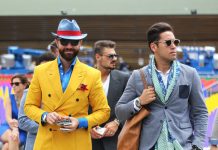
Many stylish men have signature elements that make their look distinctively theirs. This could be as subtle as always wearing a pocket square, consistently choosing certain colors, or having a preference for particular silhouettes.
Your signature elements should feel natural rather than forced. They might develop organically as you notice patterns in what you’re consistently drawn to.
Be Patient With the Process
Developing personal style is a marathon, not a sprint. It evolves over years, reflecting changes in your life, career, and self-perception. Be patient with the process and resist the urge to overhaul your entire wardrobe at once.
The most authentic personal style emerges gradually through thoughtful curation and continual refinement. Allow yourself the time to discover what truly works for you.
Final Thoughts
Personal style is ultimately about authenticity. It’s about dressing in a way that feels true to yourself while presenting the best version of you to the world. When you achieve this balance, getting dressed becomes less about following rules and more about expressing who you are.
Remember that confidence is the most stylish accessory a man can wear. When you feel good in what you’re wearing—when your outward appearance aligns with your inner sense of self—that confidence naturally shines through.
Your personal style journey is exactly that—personal. Embrace the process of discovery, learn from both successes and mistakes, and enjoy developing a look that is uniquely, authentically yours.