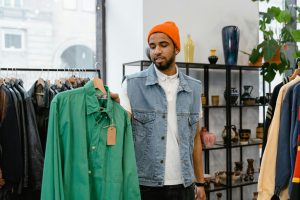
 Developing your personal style goes far beyond following trends—it’s about crafting a visual language that speaks to who you are. While many men struggle with this concept, believing it requires an innate fashion sense, the truth is that personal style can be cultivated through intentional choices and self-discovery.
In this guide, we’ll explore the fundamental steps to developing a fashion identity that’s authentically yours, building upon our previous advice on capsule wardrobes and essential pieces.
Understanding Personal Style: What It Is and Why It Matters
Personal style isn’t just about looking good—it’s the visual representation of your personality, values, and lifestyle. When you dress in a way that feels authentic, you project confidence and create a lasting impression wherever you go.
Contrary to what many believe, personal style is not about adhering rigidly to trends or completely reinventing your wardrobe overnight. Instead, it’s a journey of self-discovery that evolves as you do. A well-defined personal style simplifies daily dressing decisions, saves money on misguided purchases, and ensures you always feel comfortable and confident in what you wear.
Self-Assessment: The Foundation of Personal Style
Before making any wardrobe changes, take time for honest self-reflection about your lifestyle, preferences, and needs.
Lifestyle Analysis
Consider how you spend most of your time:
- What’s your work environment? Corporate, creative, or casual?
- What activities occupy your weekends?
- Do you attend formal events frequently?
- What practical considerations (climate, physical activity, comfort) affect your clothing choices?
Each answer provides valuable insight into what your wardrobe should prioritize. A corporate lawyer needs different staples than a creative director or remote software engineer.
Inspiration Gathering
Start collecting images that resonate with you:
- Save outfit photos that catch your eye on social media
- Note which celebrities or public figures have a style you admire
- Pay attention to well-dressed men in your daily life
- Create a digital mood board using Pinterest or Instagram collections
Look for patterns in what attracts you—specific colors, silhouettes, or combinations that appear repeatedly. These patterns reveal your aesthetic preferences and can guide your style development.
Body Type Recognition
Understanding your physical attributes helps you choose pieces that flatter your natural shape:
- Are you tall, short, or average height?
- Is your build athletic, slim, or full?
- Do you have broad shoulders, a long torso, or other distinctive features?
Knowledge of your proportions helps you select clothes that enhance your best features and create visual balance. This isn’t about hiding your body but dressing it thoughtfully.
The Core Elements of Personal Style
Personal style is built upon several key elements that work together to create your unique fashion identity.
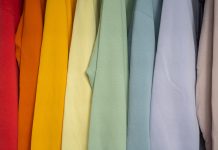
Color Palette
Developing a signature color palette simplifies decision-making and ensures cohesiveness:
- Identify 3-5 neutral colors that form your foundation (navy, gray, black, white, tan)
- Select 2-3 accent colors that complement your skin tone and hair color
- Consider seasonal variations of your palette for year-round adaptability
A focused color palette doesn’t mean boring—it means intentional. When pieces share a complementary color scheme, they naturally work together, making mixing and matching effortless.
Signature Pieces
Every distinctive personal style includes signature elements that become associated with the wearer:
- Perhaps it’s a specific accessory you’re rarely seen without (quality watch, distinctive eyewear, unique jewelry)
- It might be a garment category you’ve perfected (impeccable blazers, distinctive footwear, perfectly fitted denim)
- Some men become known for a specific styling approach (rolled sleeves, layering techniques, pattern mixing)
Your signature pieces should feel natural, not forced. They emerge from what you genuinely enjoy wearing, elevated through thoughtful curation.
Fit Philosophy
Develop a consistent approach to how your clothes should fit:
- Do you prefer a more relaxed, comfortable fit?
- Are you drawn to tailored, structured silhouettes?
- Perhaps you mix fitted tops with relaxed bottoms (or vice versa)?
Your fit philosophy creates visual consistency across different garment categories and helps you make confident purchasing decisions.
Building Your Wardrobe with Intention
Now that you understand the foundations, it’s time to build a wardrobe that reflects your personal style.
Wardrobe Audit
Begin by thoroughly evaluating what you already own:
- Remove everything from your closet and evaluate each piece individually
- Keep only items that fit well, feel good, and align with your desired style
- Identify gaps and redundancies in your current collection
- Note which pieces you wear most frequently and why
This audit creates a clean slate and prevents unnecessary purchases by clarifying what you truly need.
Quality Over Quantity
The cornerstone of distinctive personal style is thoughtful curation:
- Invest in versatile, high-quality pieces that serve multiple purposes
- Focus on excellent construction and materials that improve with age
- Prioritize perfect fit—include tailoring costs in your clothing budget
- Select pieces that work together in multiple combinations
Building a wardrobe of fewer, better pieces creates a more sophisticated look than accumulating trendy items that quickly lose relevance.
Smart Experimentation
Personal style development requires controlled experimentation:
- Start with small changes rather than complete overhauls
- Test new elements one at a time (a different silhouette, unfamiliar color, new accessory)
- Give yourself time to adjust before deciding whether something works
- Document successful and unsuccessful experiments to guide future choices
Thoughtful experimentation prevents costly mistakes while allowing your style to evolve naturally.
Practical Implementation Strategies
Turning theory into practice requires specific strategies for real-world application.
The 70-30 Approach
Balance reliability with creativity:
- Build 70% of your wardrobe with timeless, versatile pieces
- Reserve 30% for seasonal trends, statement pieces, and experimentation
- This ratio provides a solid foundation while allowing flexibility for evolution
This balanced approach ensures you always have reliable options while preventing style stagnation.
Seasonal Transitions
Adapt your personal style across seasons without losing its essence:
- Identify your core style elements that remain consistent year-round
- Develop seasonal variations that maintain your signature while addressing practical needs
- Create transitional outfits that bridge between seasons with strategic layering
Consistency across seasons reinforces your personal style while demonstrating adaptability.
Occasional Context Switching
Even the most defined personal style must adapt to different contexts:
- Develop variations of your core style for different settings (work, casual, formal, active)
- Maintain recognizable elements even when dressing for specific occasions
- Create a mental framework for appropriate adaptations while staying true to yourself
Thoughtful adaptation shows social awareness without compromising personal identity.
Common Obstacles and How to Overcome Them
Developing personal style isn’t without challenges. Here’s how to navigate the most common obstacles.
Budget Constraints
Financial limitations shouldn’t prevent style development:
- Prioritize key pieces that will have the greatest impact
- Invest incrementally, focusing first on items you wear most frequently
- Explore secondhand options for quality pieces at reduced prices
- Learn basic maintenance and repair to extend the life of your garments
Strategic investment over time builds a quality wardrobe regardless of budget.
Social Pressure
External expectations can derail authentic style development:
- Recognize the difference between constructive feedback and superficial opinions
- Seek input from those whose style judgment you trust, not random opinions
- Remember that initial reactions to style changes are often temporary
- Build confidence through intentional choices rather than validation-seeking
True personal style requires focusing on your own satisfaction rather than external approval.
Style Evolution Paralysis
The fear of making “wrong” choices prevents many men from developing their style:
- Accept that personal style is iterative, not a one-time decision
- Treat early attempts as learning experiences rather than permanent commitments
- Document what works through photos to build confidence in your choices
- Understand that authentic style emerges through action, not endless contemplation
Progress happens through practical experience, not theoretical perfection.
Maintaining and Evolving Your Personal Style
Once established, personal style requires ongoing attention to remain relevant.
Regular Reflection
Schedule periodic style assessments:
- Review your wardrobe quarterly to evaluate what’s working and what isn’t
- Photograph successful outfits to build a personal lookbook
- Note which pieces you reach for most frequently and why
- Consider how lifestyle changes might necessitate style adjustments
Thoughtful reflection prevents style stagnation and ensures continued relevance.
Deliberate Evolution
Allow your style to mature without losing its essence:
- Make intentional adjustments rather than reactive changes
- Integrate new elements gradually while maintaining core signature aspects
- Look for opportunities to refine rather than reinvent
- Consider how your changing life circumstances might influence your style needs
Evolution should feel like a natural progression, not a disjointed series of shifts.
Knowledge Expansion
Deepen your understanding of what informs your personal choices:
- Learn about the history behind styles you’re drawn to
- Study clothing construction and materials to make better purchasing decisions
- Develop appreciation for craftsmanship and quality indicators
- Understand how cultural context influences your preferences
Greater knowledge leads to more confident and sophisticated style choices.
Conclusion: Style as Self-Expression
Developing personal style is ultimately about authentic self-expression. It’s not about impressing others or following prescribed rules, but about creating a visual representation of who you are and what matters to you.
The most compelling personal style feels effortless precisely because it’s an authentic extension of the wearer. When you’ve developed a style that truly reflects your identity, getting dressed becomes less about following trends and more about expressing yourself naturally.
Remember that this process takes time—the most distinctive personal styles evolve over years, not days. Be patient with yourself, stay curious, and enjoy the journey of discovering your unique fashion identity. Your personal style is a lifelong conversation with the world about who you are—make it a reflection of your authentic self.