 Let’s get straight to the point: body grooming isn’t just for models or athletes anymore. Whether you’re looking to clean things up for comfort, appearance, or hygiene, this guide will walk you through what you actually need to know – without the marketing fluff or embarrassing conversations.
Setting Your Expectations
First things first: there’s no single “right way” to handle your body hair. Some guys prefer the natural look, others want everything trimmed down, and some opt for completely smooth in certain areas. The good news is it’s entirely your choice.
That said, here are some general principles that work for most guys:
- Start gradual – Don’t go from full forest to bare skin on your first try
- Be consistent – Once you start maintaining an area, you’ll need to keep it up
- Different areas, different approaches – What works for your chest won’t necessarily work for more sensitive regions
Face and Neck
While your face might not seem like part of “manscaping,” it’s where most guys start with body grooming.
If you have a beard or stubble, make sure you’re defining clear lines on your neck. The classic rule is to place two fingers above your Adam’s apple and create a U-shaped line from ear to ear. Everything below that line should be clean-shaven.
For your cheeks, create a natural line from your sideburns to the corner of your mouth. Anything above this line (except your mustache) should be shaved.
Don’t forget to trim stray eyebrow hairs, nose hair, and ear hair. These small details make a big difference in your overall appearance. A dedicated nose and ear trimmer is worth the investment – drugstore options work fine for most guys.
Chest and Torso
Chest hair grooming varies widely based on personal preference and how much hair you naturally have. Here’s what works for most guys:
- Light to moderate hair: A simple trim with a guard between 3-6 is usually sufficient
- Heavy hair: Consider a guard between 2-4 for a more groomed look
The key is maintaining a natural appearance. Your chest shouldn’t look like it has a different hair distribution than your stomach or shoulders. Blend the transitions between areas for a natural look.
Pro tip: Use a comb attachment on your trimmer rather than going straight to skin, especially your first time. You can always go shorter, but you can’t put it back once it’s gone.
Back and Shoulders
Back hair is typically the area most guys want completely removed if they have it. Since you can’t easily reach your own back, you have three main options:
- Ask a partner for help – The most economical option
- Use a back shaver with extension handle – There are specific tools designed for this job
- Professional waxing or laser – If you have significant back hair, these longer-term solutions might be worth considering
For shoulders, a regular trimmer works fine, but consider the transition to your back and chest – you don’t want obvious lines where the grooming changes.
Below the Belt
This is where most guys have questions but don’t want to ask. Let’s break it down into simple terms:
The Basics
A good starting point is trimming everything to a uniform length (around a #2 or #3 guard). This keeps things neat without the maintenance or irritation of going completely bare.
If you decide to go shorter in some areas:
- Always use a fresh, sharp razor
- Shower first to soften hair
- Use shaving cream or gel specifically designed for sensitive areas
- Stretch skin taut while shaving to prevent nicks
- Shave with the grain first, then against if needed (but expect more irritation)
After shaving, apply a fragrance-free moisturizer to prevent irritation. Good skin care is essential when dealing with freshly shaved sensitive areas.
What to Avoid
Some guys make the mistake of using the same razor on their face and body. Don’t do this – it’s a recipe for skin infections. Keep separate tools for different body zones.
Another common mistake is trying to rush the process. Take your time, especially in sensitive areas. Going too fast is how accidents happen.
Legs and Feet
For most guys, legs don’t require much grooming unless you’re a cyclist, swimmer, or just prefer the look. If you do trim leg hair, a longer guard setting (4-6) usually works best to avoid looking unnatural.
For feet, trimming the tops can look cleaner if you have particularly hairy feet. Nail maintenance is also essential – keep toenails trimmed and clean.
Essential Tools
You don’t need an arsenal of expensive gadgets to handle basic body grooming. Here are the essentials:
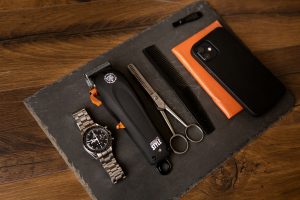
- A quality body trimmer with multiple guards – This is your most important tool
- Sharp, fresh razors – Replace regularly, especially for sensitive areas
- Pre-shave oil – Reduces friction and irritation
- Shaving cream or gel – Look for sensitive skin formulas
- Aftershave balm (alcohol-free) – Soothes skin and prevents bumps
- Exfoliating glove or scrub – Helps prevent ingrown hairs
While there are specialized tools marketed for “manscaping,” most guys can get by with a good adjustable trimmer that has multiple guard attachments. Look for one that’s waterproof so you can use it in the shower, which makes cleanup much easier.
Common Mistakes to Avoid
Even with the best intentions, there are several pitfalls that guys regularly encounter when starting to groom body hair:
Going Too Short Too Fast
If you’ve never trimmed before, don’t immediately take everything down to the skin. Start with a longer guard setting and gradually go shorter if needed. This prevents the shock of dramatic change and reduces skin irritation.
Ignoring the Transitions
One of the biggest tells of amateur body grooming is abrupt transitions between areas. Your chest hair shouldn’t suddenly stop at your abdomen. Use graduated guard lengths to create natural fades between areas.
Neglecting Aftercare
Post-grooming skin care is essential, especially in sensitive areas. Apply moisturizer to freshly trimmed areas, and consider using products with aloe vera to soothe irritation. For areas prone to ingrown hairs (like the neck and groin), regular exfoliation helps prevent painful bumps.
If you’re prone to irritation, products containing witch hazel can reduce redness and inflammation without the burn of alcohol-based aftershaves. Quality grooming products make a significant difference in how your skin responds to regular maintenance.
Forgetting Regular Maintenance
Once you start body grooming, you’ll need to maintain it. Set a regular schedule based on your hair growth rate – typically every 1-2 weeks for most areas. Taking care of yourself, just like taking care of your clothes, requires consistency.
When to Consider Professional Help
While most body grooming can be handled at home, there are situations where professional services make sense:
- Back hair removal – Hard to reach thoroughly on your own
- Persistent ingrown hairs – A dermatologist can provide solutions
- Laser hair removal – For permanent reduction in unwanted hair
- Unibrow correction – Professional shaping provides the best results
If you go the professional route, do your research and find reputable providers with good reviews specific to men’s grooming services.
The Bottom Line
Body grooming doesn’t need to be complicated or embarrassing. Start simple, be consistent, and adjust based on what works for you and your lifestyle. There’s no single right approach – just what makes you comfortable and confident.
Remember that good grooming is about enhancing what you’ve got, not completely changing your appearance. The best manscaping is the kind nobody notices because everything just looks naturally well-maintained.
With the right tools and techniques, you can handle most of your grooming needs in the privacy of your bathroom, on your own schedule, without breaking the bank on specialized products or salon services.