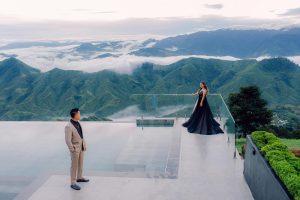
 In the world of men’s fashion, there’s a significant difference between dressing well and dressing exceptionally. While most men have mastered the basics—finding the right fit, coordinating colors, and understanding dress codes—fewer have ventured into the territory of advanced fashion techniques. These sophisticated approaches to styling can transform your wardrobe from simply appropriate to truly remarkable.
The Art of Texture Mixing
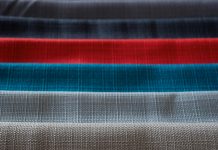
One of the most powerful yet underutilized techniques in men’s fashion is the strategic mixing of textures. Texture mixing, when done with consideration, can give your outfit that sartorial “cherry on top” and take your layering game to a whole new level FashionBeans.
The key is understanding how different fabrics interact with one another. Start with these fundamental approaches:
1. The Neutral Canvas Method Begin with a foundation of neutral tones like navy, gray, or beige, then introduce varying textures within this palette. For instance, pair a smooth merino wool sweater with a nubby tweed jacket and fine cotton trousers—all in shades of gray. The visual interest comes from the textural contrast rather than color competition.
2. The Complementary Texture Rule When mixing different materials, ensure they don’t compete with each other. Heavy textures like corduroy and cable knit can overwhelm when paired together. Instead, balance a heavily textured piece with something smoother—think rough tweed jacket with a silky knit tie.
3. The Seasonal Texture Hierarchy Reserve heavier, more textured fabrics (tweed, flannel, corduroy) for fall and winter, while keeping spring and summer outfits in lighter, more breathable textures (linen, seersucker, lightweight cotton). This creates appropriate seasonal depth while maintaining comfort.
Remember: if you’re wearing the same material multiple times in an outfit, vary the texture of each piece. For example, brushed cotton can work alongside waxed cotton and oxford cloth—but five pieces of the exact same brushed cotton would create a flat, lifeless look.
Mastering Advanced Color Coordination
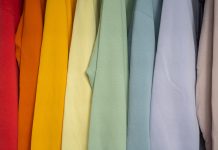
Beyond simple color matching lies the sophisticated world of advanced color theory. Understanding these principles can help you create memorable and impactful outfits.
1. The 60-30-10 Ratio This golden rule of color distribution gives your outfits perfect balance:
- 60% base color (your suit, trousers, or largest visible items)
- 30% secondary color (shirt, sweater, or mid-layer pieces)
- 10% accent color (accessories, pocket square, or subtle details)
This ratio ensures no single color dominates while still maintaining visual harmony.
2. Tonal Sophistication Instead of pairing completely different colors, work with various shades and intensities of the same color family. A navy suit with a powder blue shirt and royal blue tie creates sophisticated depth that flat monochrome cannot match.
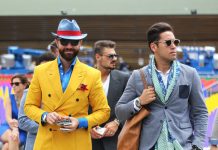
3. The Strategic Contrast Point In a mostly subdued outfit, introduce one carefully chosen high-contrast element. A burgundy pocket square against an otherwise gray suit creates a focal point that draws the eye exactly where you want it. This technique shows intention and confidence in your styling choices.
4. Color Psychology and Setting Advanced dressers consider the psychological impact of color and its appropriateness for different settings. Earthy tones (olive, burgundy, camel) convey grounded reliability in business settings, while jewel tones (emerald, sapphire, ruby) make stronger statements at social events.
The Science of Proportion and Silhouette
Perhaps the most sophisticated element of advanced style is understanding how proportions affect visual perception and using this knowledge to create flattering silhouettes.
1. The Rule of Thirds Fashion follows the golden ratio principle where unbalanced proportions are more interesting and pleasing to the eye than equal divisions. The most aesthetically pleasing division is typically a 1/3 to 2/3 ratio Jo-Lynne Shane. Apply this to your outfits by dividing your body into thirds from shoulders to feet, with either:
- 1/3 top, 2/3 bottom (shorter jacket or shirt with standard trousers)
- 2/3 top, 1/3 bottom (longer coat or jacket with cropped trousers)
2. Strategic Silhouette Manipulation Advanced dressers understand how to use clothing to manipulate their perceived body shape. This involves:
- Creating shoulder structure with properly fitted jackets to balance wider hips
- Using vertical elements (pinstripes, plackets, center vents) to elongate the body
- Employing horizontal elements (patch pockets, cuffs, belts) to add width where desired
3. The Contrast Balance Method Create visual balance by contrasting volumes in your outfit. If wearing wider trousers, balance with a more fitted top. If choosing an oversized coat, keep the underlayers more streamlined. This prevents the “swallowed by clothing” effect while still allowing experimentation with different silhouettes.
4. The Micro-Adjustment Technique Advanced style often comes down to small, intentional adjustments:
- Cuffing trousers to achieve the perfect break above shoes
- Rolling sleeves to a specific height that flatters forearm proportions
- Choosing the precise length of jacket to complement your height and torso
These subtle refinements demonstrate thoughtful intention in your style choices.
Advanced Layering Strategies
True style mastery often appears in the way a man layers his clothing. Advanced layering goes beyond simply adding pieces for warmth—it creates depth, interest, and versatility.
1. The Gradient Method Create a visual gradient from innermost to outermost layers:
- Lightest colors and weights closest to the body
- Progressively darker colors and heavier fabrics as you move outward
- Maintain a cohesive color story throughout all layers
2. The Unexpected Layer Insert Break conventional layering rules by introducing unexpected elements:
- A tailored vest over a casual henley
- A lightweight scarf as an inner rather than outer layer
- A dress shirt under a crewneck sweater with the collar tucked in
3. The Visible Edge Technique Strategically reveal edges of underlayers to create depth:
- Allow shirt cuffs to extend precisely 1/4 to 1/2 inch beyond jacket sleeves
- Let shirt collars and hems create subtle framing around sweaters
- Use different lengths to create a “stepped” effect between layers
4. The Temperature-Adaptive Approach Build outfits that can adapt to changing environments:
- Layer thin, high-quality materials rather than single thick ones
- Include removable middle layers that won’t disrupt your overall look
- Ensure each stage of undressing remains a complete, balanced outfit
Conclusion: The Path to Advanced Style
Mastering these advanced fashion techniques doesn’t happen overnight. It requires experimentation, attention to detail, and developing an intuitive sense of what works for your unique physique and personality. The true hallmark of advanced style isn’t following every rule perfectly—it’s knowing which rules to follow and which to intentionally break to express your individual aesthetic.
Start by incorporating one advanced technique at a time into your existing wardrobe. Experiment with texture mixing before tackling proportion play. Try subtle color theory applications before attempting complex layering strategies. As each technique becomes second nature, your overall style will evolve into something both sophisticated and personal—the ultimate goal of advanced fashion.
Remember that confidence remains the most important element of any outfit. Even the most technically perfect ensemble falls flat without the self-assurance to carry it. Wear your clothes; don’t let them wear you. That, perhaps, is the most advanced fashion technique of all.