 Running is one of the most accessible forms of exercise, requiring minimal equipment but offering maximum health benefits. At the heart of your running journey is one critical piece of gear: your running shoes. The right pair can make the difference between enjoyable workouts and painful injuries. Here’s your comprehensive guide to finding the perfect running shoes that will support your fitness goals and keep you pounding the pavement comfortably.
Why Running Shoes Matter
Before diving into how to choose the perfect pair, let’s understand why specialized running shoes are essential. Unlike casual footwear, running shoes are designed to absorb impact, provide stability, and promote proper running form. Wearing inappropriate shoes while running can lead to discomfort, blisters, shin splints, and even long-term injuries that could sideline your fitness journey.
Know Your Running Style
The first step in finding your perfect running shoes is understanding how you run:
Pronation Type: This refers to how your foot rolls inward when it strikes the ground. There are three main types:
- Neutral pronation: Your foot rolls inward slightly, absorbing impact efficiently
- Overpronation: Your foot rolls excessively inward
- Underpronation (supination): Your foot doesn’t roll inward enough
Most specialty running stores offer gait analysis to determine your pronation type. This is crucial information that will guide your shoe selection.
Consider Your Running Environment
Where you run significantly impacts the type of shoe you need:
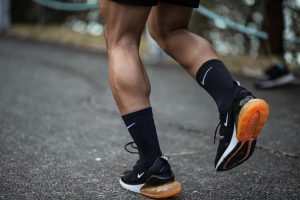
Road Running: If you primarily run on pavement or treadmills, look for road running shoes with sufficient cushioning to absorb impact on hard surfaces. These shoes typically have flatter, smoother outsoles optimized for consistent terrain.
Trail Running: For off-road adventures, trail running shoes offer enhanced grip, durability, and protection. Look for deeper treads, rock plates, and protective features to handle roots, rocks, and uneven terrain.
Fit Is Everything
When it comes to running shoes, fit trumps fashion every time. Here’s how to ensure the proper fit:
Length: Aim for approximately a thumb’s width of space between your longest toe and the end of the shoe. Your feet will swell during runs, especially longer ones, so this extra space is crucial.
Width: Your foot should feel secure in the midfoot and heel areas without being constricted. The toe box should allow your toes to spread naturally.
Try On Late in the Day: Your feet naturally swell throughout the day, similar to how they expand during a run. Shopping in the afternoon or evening provides a more accurate fit.
Wear Running Socks: Always try on running shoes with the type of socks you’ll wear while running.
Cushioning Considerations
The amount of cushioning you need depends on your preferences, running style, and goals:
Maximum Cushioning: These shoes provide plush comfort and are ideal for long-distance runs or runners who prioritize comfort over ground feel.
Moderate Cushioning: A balanced option that offers both protection and responsiveness.
Minimal Cushioning: These shoes provide less padding and a closer-to-ground feel, which some runners prefer for better connection with the running surface.
Remember that more cushioning isn’t always better—it depends entirely on your individual needs and comfort preferences.
Support Features
Based on your pronation type, you may need specific support features:
Neutral Shoes: For neutral pronators or mild underpronators, these shoes offer cushioning without attempting to correct your running pattern.
Stability Shoes: For overpronators, these incorporate firmer materials on the medial (inner) side to prevent excessive inward rolling.
Motion Control Shoes: For severe overpronators, these provide maximum stability features.
Don’t Forget Heel Drop
Heel drop refers to the difference in height between the heel and forefoot of the shoe. Traditional running shoes typically have a 10-12mm drop, while minimalist options may have zero drop. Lower drops can promote midfoot or forefoot striking but require adjustment if you’re used to higher-drop shoes.
The Importance of Quality
While price shouldn’t be the only factor, investing in quality running shoes is investing in your health. Quality shoes typically offer better durability, support, and comfort—potentially saving you money (and pain) in the long run. Most running shoes last between 300-500 miles before losing their supportive properties.
The Running-Fitness Connection
Now that we’ve covered how to choose the perfect running shoes, let’s touch on why running itself is such a powerful fitness tool:
Running is one of the most effective cardio exercises, burning substantial calories while strengthening your heart and lungs. Regular running boosts your metabolism, builds lower body strength, and releases endorphins that improve mental health. Whether your goal is weight management, stress reduction, or improved cardiovascular health, running delivers impressive results.
The right shoes make this journey more enjoyable and sustainable. They reduce your risk of injury, enhance your performance, and allow you to focus on the joy of running rather than discomfort or pain.
Final Tips
- Don’t be swayed by trends or fashion—prioritize fit and function
- Replace your shoes regularly (every 300-500 miles)
- If you have specific foot conditions, consider custom insoles
- Listen to your body—discomfort is your cue to reassess your footwear
Finding the perfect running shoes takes some effort, but it’s an investment in your running future. With the right pair on your feet, you’re literally taking steps toward achieving your fitness goals. So lace up, head out, and enjoy the run!