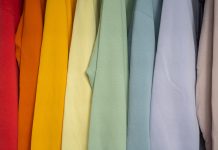
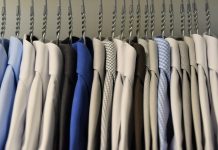
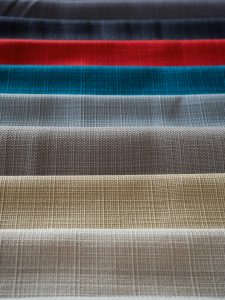
 When it comes to men’s fashion, the fabric of your clothing is just as important as the style or cut. The right material not only determines how your garment looks but also how it feels, how long it lasts, and how appropriate it is for different situations and weather conditions. This comprehensive guide will help you understand the various fabric types, their properties, seasonal appropriateness, and how to properly care for them.
Natural Fabrics
Cotton
Properties: Breathable, absorbent, soft, durable, versatile Best for: Year-round wear, especially spring and summer Care tips: Machine washable, can withstand higher temperatures, but may shrink if not pre-shrunk
Cotton is perhaps the most widely used fabric in men’s clothing, making up approximately 75% of the men’s clothing produced globally. Its popularity isn’t surprising given its versatility and comfort. Cotton is breathable, which makes it perfect for hot weather, but it can also be woven into heavier fabrics for cooler seasons.
Cotton varieties:
- Egyptian cotton: Known for its luxurious feel and longer fibers
- Pima/Supima cotton: Extra-long staple cotton that’s incredibly soft and durable
- Sea Island cotton: One of the rarest and most expensive cottons with exceptionally long fibers
Popular cotton weaves:
- Poplin: A lightweight, tightly woven fabric with a crisp feel, perfect for formal shirts
- Oxford cloth: Has a basket-weave texture that’s more casual and durable
- Twill: Diagonal weave that creates a sturdy fabric, often used in chinos
- Seersucker: A puckered fabric that allows for air circulation, ideal for summer suits
- Denim: Heavy, durable cotton twill used primarily for jeans
Linen
Properties: Extremely breathable, moisture-wicking, strong, gets softer with age Best for: Hot weather, summer clothing Care tips: Machine washable, but air drying is preferable to maintain shape
Linen is arguably the perfect summer fabric. Made from the flax plant, it’s exceptionally breathable and stays cool in hot weather. It absorbs moisture quickly and dries rapidly, making it ideal for humid climates. Linen’s main drawback is its tendency to wrinkle easily, but many men embrace this as part of linen’s natural, relaxed charm.
Linen uses:
- Lightweight summer suits
- Casual button-up shirts
- Beach and resort wear
- Summer trousers and shorts
Wool
Properties: Insulating, moisture-wicking, odor-resistant, durable Best for: Fall and winter clothing Care tips: Often requires dry cleaning, though some modern wool blends are washable
Wool has been used for clothing for thousands of years, and for good reason. It provides excellent insulation while still being breathable, and it has natural moisture-wicking properties that help regulate body temperature. Contrary to popular belief, wool isn’t just for winter—lighter weight wools can be comfortable year-round.
Wool varieties:
- Merino wool: Fine, soft wool that’s less scratchy than traditional wool
- Cashmere: Ultra-soft wool from the Kashmir goat, known for its luxurious feel
- Tweed: A rough, durable wool fabric often with colorful flecks
- Flannel: Soft, warm wool (or cotton) with a slightly raised surface
- Worsted wool: Smooth, tightly woven wool used in suits
Silk
Properties: Smooth, lustrous, lightweight, temperature-regulating Best for: Formal wear, accessories, linings Care tips: Often requires dry cleaning or delicate hand washing
Silk is a natural protein fiber known for its smooth texture and lustrous appearance. While not as common in men’s clothing as cotton or wool, silk is used for high-end dress shirts, ties, pocket squares, and as a lining material. It has excellent temperature-regulating properties, keeping you cool in the summer and warm in the winter.
Synthetic Fabrics
Polyester
Properties: Durable, wrinkle-resistant, quick-drying Best for: Performance wear, outerwear, blends with natural fibers Care tips: Machine washable, resistant to shrinking and stretching
Polyester is a synthetic fiber derived from petroleum. While it’s often maligned for being less breathable than natural fibers, modern polyester has come a long way. When blended with natural fibers like cotton, it can add durability and wrinkle resistance while maintaining comfort.
Polyester uses:
- Athletic and performance wear
- Rain jackets and outerwear
- Suits and trousers (as part of a blend)
- Ties and accessories
Nylon
Properties: Strong, lightweight, water-resistant, quick-drying Best for: Outerwear, sportswear, accessories Care tips: Machine washable, avoid high heat when drying
Nylon was the first synthetic fiber to gain widespread use in clothing. It’s exceptionally strong, lightweight, and water-resistant, making it perfect for outerwear and bags. Like polyester, it works best when blended with natural fibers for everyday clothing.
Rayon/Viscose
Properties: Breathable, soft, drapes well, absorbs moisture Best for: Lightweight shirts, summer clothing Care tips: Often requires dry cleaning or gentle washing
Rayon (sometimes called viscose) is a semi-synthetic fiber made from wood pulp. It was created as an alternative to silk and shares many of silk’s properties, including its smooth feel and excellent drape. Rayon is more breathable than most synthetic fibers, making it a good choice for summer clothing.
Lyocell/Tencel
Properties: Breathable, sustainable, soft, moisture-wicking Best for: Everyday wear, activewear Care tips: Usually machine washable, though some garments may recommend gentle cycles
Lyocell (often sold under the brand name Tencel) is a sustainable, man-made cellulosic fiber derived from wood pulp, usually eucalyptus. It’s produced using a closed-loop process that recycles the solvents used, making it more environmentally friendly than many other fabrics. Lyocell feels soft like cotton but drapes more like silk, making it versatile for many clothing applications.
Specialized Fabrics and Blends
Corduroy
Properties: Durable, warm, textured Best for: Fall and winter casual wear Care tips: Machine washable, but may fade over time
Corduroy is a ridged velvet fabric, typically made from cotton. The ridges, called “wales,” are what give corduroy its distinctive appearance and texture. Corduroy is warm and durable, making it perfect for fall and winter pants, jackets, and shirts.
Flannel
Properties: Soft, warm, cozy Best for: Fall and winter casual wear Care tips: Machine washable, may pill over time
Flannel is a soft, woven fabric that can be made from wool, cotton, or synthetic fibers. It’s brushed for extra softness and warmth, making it ideal for casual winter shirts and pajamas. Flannel shirts have become a staple of men’s casual wardrobes, particularly in colder climates.
Modal
Properties: Soft, breathable, flexible, resists shrinking Best for: Underwear, t-shirts, loungewear Care tips: Machine washable, holds up well to repeated washing
Modal is a semi-synthetic fabric made from beech tree pulp. It’s exceptionally soft and more water-absorbent than cotton, making it perfect for underwear and t-shirts. Modal blends well with other fibers to add softness and flexibility to various garments.
Performance Fabrics
Properties: Moisture-wicking, quick-drying, often with stretch Best for: Athletic and activewear, outdoor clothing Care tips: Usually machine washable, avoid fabric softeners
Performance fabrics are engineered specifically for athletic and outdoor activities. They often combine synthetic fibers with special technologies to manage moisture, regulate temperature, and provide flexibility. Many performance fabrics also offer UV protection or antimicrobial properties.
Seasonal Fabric Guide
Spring Fabrics
Spring calls for versatile fabrics that can handle fluctuating temperatures and occasional showers.
Best choices:
- Lightweight cotton
- Cotton-synthetic blends
- Light wool for cooler days
- Gabardine for rain protection
Recommended garments:
- Medium-weight suits in wool or wool blends
- Cotton chinos
- Light sweaters or cardigans
- Water-resistant outerwear
Summer Fabrics
Summer demands breathable, lightweight fabrics that keep you cool and wick away sweat.
Best choices:
- Linen and linen blends
- Lightweight cotton
- Seersucker
- Chambray
- Technical performance fabrics
Recommended garments:
- Linen shirts and pants
- Cotton polo shirts
- Seersucker suits
- Lightweight chino shorts
- Performance fabric activewear
Fall Fabrics
Fall requires fabrics that provide warmth without being too heavy, with an emphasis on layering.
Best choices:
- Medium-weight wool
- Cotton twill
- Flannel
- Corduroy
- Canvas
Recommended garments:
- Wool or tweed sport coats
- Flannel shirts
- Corduroy pants
- Cotton twill chinos
- Canvas or denim jackets
Winter Fabrics
Winter calls for thick, insulating fabrics that trap heat and protect against cold and precipitation.
Best choices:
- Heavy wool and wool blends
- Cashmere
- Tweed
- Flannel
- Technical fabrics for outerwear
Recommended garments:
- Wool and cashmere overcoats
- Tweed sport coats and suits
- Flannel trousers
- Heavy knit sweaters
- Technical fabric outerwear
Fabric Care and Maintenance
Proper care will extend the life of your clothing and keep it looking its best. Here are some general tips for caring for different fabrics:
Washing
- Natural fibers often benefit from cold or cool water washing to prevent shrinkage.
- Synthetic fibers can usually handle warmer water but might maintain their properties longer with cooler washes.
- Delicate fabrics like silk, cashmere, and some wools require hand washing or dry cleaning.
- Wash less frequently to extend the life of your garments. Many items like jeans, wool trousers, and sweaters don’t need to be washed after every wear.
Drying
- Air drying is gentler on most fabrics than machine drying.
- If using a dryer, opt for lower heat settings to prevent shrinkage and damage.
- Avoid over-drying which can lead to unnecessary wear and excessive shrinkage.
- Wool, cashmere, and similar fabrics should be dried flat to maintain their shape.
Ironing and Steaming
- Check care labels for appropriate ironing temperatures.
- Natural fibers like cotton and linen typically require higher heat.
- Synthetic fibers generally need lower heat to prevent melting or damage.
- Steaming is a gentler alternative to ironing and works well for most fabrics.
Sustainable Fabric Care
- Wash in cold water to save energy and reduce wear on fabrics.
- Use eco-friendly detergents that are free from harsh chemicals.
- Skip the dryer when possible to save energy and extend garment life.
- Invest in quality garments made from durable fabrics that will last longer.
- Repair rather than replace items when possible.
How to Choose the Right Fabric
When selecting clothing, consider these factors to choose the right fabric:
- Climate and season: What weather will you be wearing this in?
- Activity level: Will you be active or sedentary?
- Comfort preferences: Do you prefer soft, structured, stretchy?
- Maintenance requirements: How much care are you willing to provide?
- Durability needs: How long do you need the item to last?
- Aesthetic goals: What look and drape are you going for?
- Sustainability concerns: How important are eco-friendly materials to you?
Conclusion
Understanding fabrics is a crucial part of building a functional, stylish wardrobe. By knowing the properties of different materials, you can make informed choices about what to wear in various situations and seasons. This knowledge also helps you properly care for your clothing, ensuring it looks good and lasts longer.
Whether you’re shopping for a new suit, selecting the perfect summer shirt, or simply trying to better care for what you already own, this guide provides the foundation you need to make smart decisions about the fabrics in your wardrobe.