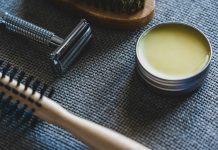
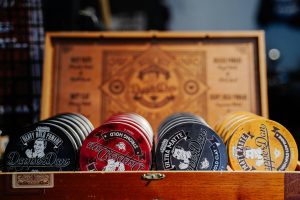
 If you’ve admired the classic, controlled hairstyles in vintage photographs or films from the mid-20th century, you’ve witnessed the unmistakable effect of pomade. This enduring styling product has remained a cornerstone in men’s grooming for decades, delivering that perfect combination of hold and shine that defines timeless looks.
Pomade continues to be one of the most versatile and effective hair products for men seeking defined, polished styles with noticeable sheen. However, not all pomades perform equally, and selecting the right formulation dramatically impacts whether you achieve that sharp, sophisticated look or end up with an overly greasy appearance.
This comprehensive guide explores everything you need to know about this classic styling product to help you master that perfect hold and shine.
What Exactly Is Pomade?
At its essence, pomade is a styling product designed to provide medium to strong hold with noticeable shine. Unlike hairspray or gel that dries rigid and stiff, pomade maintains pliability throughout the day, allowing you to restyle when needed.
Traditional pomades were oil-based, utilizing petroleum or mineral oil as their primary ingredients. Contemporary formulations now include water-based alternatives that deliver similar styling benefits with significantly easier removal.
Oil-Based vs. Water-Based Pomade
The fundamental choice when selecting pomade is whether to use oil-based or water-based formulations. Each offers distinct advantages:
Oil-Based Pomade:
- Delivers stronger, longer-lasting hold
- Creates higher shine finish
- Requires minimal reapplication
- Can last multiple days with minor touch-ups
- More challenging to wash out (often requires multiple shampoos)
- May cause acne for those with sensitive skin
Water-Based Pomade:
- Washes out easily with just water
- Less likely to cause skin issues
- Often contains fewer harsh chemicals
- Dries slightly, providing more structure
- May require reapplication for all-day hold
- Generally produces less shine than oil-based versions
For those new to pomade, water-based formulations typically offer a more user-friendly introduction. However, for classic, slicked-back styles requiring maximum staying power, oil-based formulas often deliver superior performance.
Which Hairstyles Work Best With Pomade?
While pomade offers versatility, it particularly excels with certain classic styles:
Classic Slick Back
The quintessential pomade style, the slick back involves combing all your hair straight back from the forehead. This style performs best with medium to longer hair on top. For a contemporary interpretation, consider a slick back with cleaner sides, which maintains the classic appeal with modern proportions.
Pompadour
Made iconic by cultural figures like Elvis Presley, the pompadour features height at the front with hair swept upward and back. Pomade provides the necessary hold and shine to maintain this style’s impressive structure throughout the day.
Side Part
For a more conservative yet equally refined look, the side part utilizes pomade to create a clean, defined line where the hair is parted, with controlled volume on top. This versatile style works well in both professional and casual environments.
Quiff
Similar to the pompadour but with a more textured, less structured appearance, the quiff employs pomade to create height and control at the front while allowing for some natural movement. This style strikes an excellent balance between polished and relaxed.
Contour
A flatter, more subtle style where hair follows the natural shape of the head while maintaining perfect control and shine. This low-profile approach works exceptionally well for formal or professional settings where understated elegance is preferred.
How to Apply Pomade Correctly
Even premium pomade won’t deliver optimal results if applied incorrectly. Here’s a methodical approach for getting the most from your product:
Application Steps for Water-Based Pomade
- Begin with freshly washed, towel-dried hair that remains slightly damp
- Scoop a dime-sized amount of pomade with your finger
- Rub the product between your palms until it spreads evenly and warms up
- Work the pomade through your hair starting from the back and moving forward
- Use a comb to distribute the product evenly and begin styling
- For additional hold or shine, add very small amounts of additional product as needed
Application Steps for Oil-Based Pomade
- Start with dry or very slightly damp hair for maximum control
- Take a small amount (less than you initially think necessary)
- Rub between palms until it softens and becomes workable
- Apply from the back of the head forward, ensuring even distribution
- Use a comb to create your desired style
- For slick styles, continue combing until you achieve the desired finish
Common Application Mistakes
- Using excessive product: This is the most frequent error. Start with less than you think you need—you can always add more.
- Applying to completely dry hair: Water-based pomades work optimally on slightly damp hair.
- Poor distribution: Take time to work the product thoroughly through all your hair before styling.
- Applying directly to the hair: Always warm the product between your palms first for even application.
Pomade Techniques for Different Hair Types
Your natural hair characteristics significantly affect how pomade performs and how you should apply it:
For Thick Hair
Thick hair typically requires stronger hold pomades. You may need slightly more product, but still apply it sparingly and build up gradually if needed. Oil-based pomades often excel at controlling thick hair.
Application tip: Work in sections for even distribution throughout dense hair.
For Fine Hair
Fine hair can easily become weighed down by heavy pomades. Opt for lighter, water-based formulations and use a minimal amount. Apply primarily to the areas you want to control, avoiding the roots if you’re seeking volume.
Application tip: After applying pomade, use a blow dryer to create volume at the roots before the product fully sets.
For Curly Hair
Curly hair can benefit from pomade’s control properties but requires special handling. Look for medium-hold pomades that won’t completely eliminate your natural texture. Apply to damp hair and use more of a scrunching motion rather than straight combing.
Application tip: Use a wide-tooth comb or your fingers rather than a fine-tooth comb to maintain some of your natural curl pattern.
For Long Hair
Longer styles need careful pomade application to avoid an overly greasy appearance. Focus the product on the areas you want to control and keep it away from the ends unless you’re creating a fully slicked look.
Application tip: Apply pomade in layers, starting with a small amount and adding more only where needed.
Styling Tools That Enhance Pomade Performance
The right tools help you maximize pomade’s effectiveness:
Combs
Different combs create various effects with pomade:
- Wide-tooth comb: Creates a more relaxed, natural finish
- Fine-tooth comb: Provides clean, sharp definition and maximum control
- Rat-tail comb: Perfect for creating precise parts or detailed styles
Brushes
While combs are more commonly paired with pomade, certain brushes can enhance specific styles:
- Boar bristle brush: Excellent for smoothing and distributing pomade evenly
- Denman brush: Helps create volume at the roots before finishing with a comb
Hair Dryer
Though not always essential with pomade, a hair dryer can:
- Establish the foundation of your style before applying pomade
- Create volume at the roots that the pomade will then maintain
- Help water-based pomade set more quickly for enhanced hold
Removing Pomade Effectively
One of the primary considerations with pomade, especially oil-based formulations, is the process of thoroughly removing it from your hair.
Removing Water-Based Pomade
Water-based pomades typically wash out easily with regular shampoo. For complete removal:
- Thoroughly wet your hair with warm water
- Apply shampoo and work into a lather
- Rinse completely
- Repeat if necessary (usually isn’t)
Removing Oil-Based Pomade
Oil-based pomades require more thorough cleansing:
- Apply a small amount of dish soap or clarifying shampoo to dry hair and massage in
- Add water gradually to create a lather
- Rinse thoroughly
- Follow with regular shampoo
- Condition afterward as these cleansers can be drying
Alternative Removal Methods
If you use oil-based pomade regularly:
- Clarifying shampoo: Use weekly to prevent buildup
- Olive oil method: Massage olive oil into your hair before showering to break down the pomade, then shampoo as normal
- Apple cider vinegar rinse: Mix equal parts water and ACV, apply to hair, wait 15 minutes, then shampoo
The “Buildup” Technique
Some pomade enthusiasts, particularly those using oil-based products, practice the “buildup” technique. This approach involves:
- Applying pomade daily without washing it out completely
- Using only water to restyle each day with minimal new product
- Creating a base that provides consistent hold and appearance
- Washing completely only once a week
This technique isn’t suitable for everyone, but some find it creates the perfect foundation for consistent styling with oil-based pomades. It works best for those who maintain the same style daily and don’t have acne-prone skin.
Conclusion
Pomade has maintained its popularity for decades because it delivers exceptional results for classic styling. Whether you’re aiming for a traditional, vintage-inspired appearance or a modern interpretation of these timeless styles, quality pomade applied correctly provides that perfect balance of hold, control, and shine.
Begin with a water-based pomade if you’re new to this product category, and experiment with application techniques until you discover what works best for your hair type and desired style. Once you master the fundamentals, you might find pomade becoming your go-to styling product for creating polished, sophisticated looks that stand the test of time.